
The hidden psychological impact of gambling on decision-making and behavior
The allure of gambling and its psychological implications
Gambling has a unique allure that captivates millions around the globe. The promise of potential rewards can create an intense emotional connection, blurring the line between entertainment and obsession. This environment, filled with bright lights and stimulating sounds, creates a euphoric atmosphere that can deeply influence an individual’s decision-making processes. For example, many players are drawn to the 12 coins slot, which enhances their gambling experience by providing the excitement of possibly winning significant rewards.
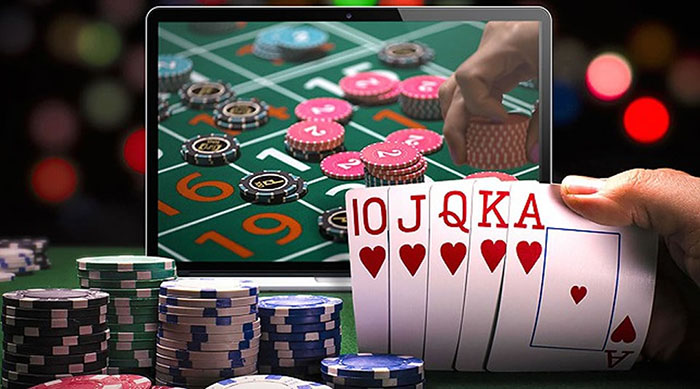
This emotional engagement is often compounded by cognitive biases, such as the illusion of control, where individuals believe they can influence outcomes in games that are fundamentally random. Players might feel that their skills or strategies can sway the results, leading them to make increasingly risky decisions. Such misconceptions can create a cycle of chasing losses, where gamblers persist in playing to recoup their prior losses, further entrenching their emotional connection to the activity.
Moreover, the social aspects of gambling can amplify its psychological effects. Many gamblers find camaraderie in their shared experiences, which can lead to groupthink, further influencing individual choices. This dynamic can create a feedback loop where one’s decision-making is affected not only by personal experiences but also by the behaviors and attitudes of peers, often leading to riskier bets and higher stakes.
The role of luck versus skill in gambling behavior
The perception of gambling as a game of luck versus skill is crucial in understanding the psychological impact on decision-making. Many individuals enter the gambling world under the belief that they can leverage skill to achieve consistent wins. This belief can skew their decision-making process, causing them to underestimate the randomness involved in most gambling scenarios. For example, poker players may rely on their ability to read opponents, but the inherent unpredictability of card distribution can render their skills moot.
This perceived skill can lead to overconfidence, prompting gamblers to make higher bets than they typically would. They may misinterpret their past successes as evidence of a personal skill set, reinforcing the idea that they can control outcomes. This cognitive bias, known as the gambler’s fallacy, can result in reckless behavior where players assume that they are ‘due’ for a win, disregarding the statistical realities of the games they are playing.
Furthermore, the interplay between luck and skill can affect a gambler’s emotional state. When players believe luck is on their side, they may experience heightened excitement and euphoria, which can cloud judgment. Conversely, repeated losses can lead to feelings of frustration and despair, impacting future decision-making negatively. Understanding this dynamic is essential for recognizing how gambling influences behavior and decision-making over time.
The impact of financial loss on mental health
The financial ramifications of gambling are profound and can have lasting effects on an individual’s mental health. Many gamblers find themselves trapped in a cycle of debt, where they continue to gamble in hopes of recovering losses. This spiraling behavior often leads to severe emotional distress, anxiety, and depression, creating a vicious cycle that is hard to escape. The pressure of financial strain can cause individuals to neglect personal responsibilities, further exacerbating their psychological state.
Moreover, the stigma associated with gambling addiction can prevent individuals from seeking help. Many people suffering from gambling-related financial issues experience shame and isolation, which can lead to substance abuse or other harmful coping mechanisms. The psychological toll can be enormous, affecting not only the gambler but also their relationships with family and friends, which in turn impacts their decision-making abilities.
A deeper understanding of these psychological ramifications can pave the way for better support systems and interventions. Encouraging open conversations about the mental health aspects of gambling and providing resources for those in need can help mitigate some of these detrimental effects. Emphasizing the importance of financial literacy and responsible gambling practices is essential in fostering healthier decision-making behaviors.
Responsible gambling and decision-making strategies
Promoting responsible gambling practices is essential to mitigating the negative psychological effects associated with gambling. Individuals can benefit from establishing clear limits regarding time and money spent on gambling activities. By setting these boundaries, gamblers can better manage their emotions and reduce impulsive decisions driven by excitement or frustration. Implementing self-exclusion techniques can also empower individuals to take control of their gambling habits.
Decision-making strategies that involve assessing risk versus reward can help players approach gambling in a more balanced manner. For instance, understanding the odds and probabilities involved in different games can lead to more informed choices. Gamblers who recognize the inherent risks are more likely to engage in responsible behavior, allowing them to enjoy the experience without becoming emotionally or financially overwhelmed.
Furthermore, education plays a significant role in promoting responsible gambling. Awareness campaigns and community resources can inform individuals about the psychological impacts of gambling, providing them with the tools necessary to recognize unhealthy patterns. By fostering a culture of responsible gambling, we can encourage healthier decision-making behaviors that prioritize emotional well-being.

Exploring the online gambling landscape
The rise of online gambling has revolutionized the way people engage with these activities, introducing new psychological considerations. The accessibility of online platforms allows individuals to gamble anytime and anywhere, significantly increasing the potential for impulsive behavior. The lack of physical presence can diminish the perception of risk, leading to hasty decisions that can have severe consequences on personal finances and mental health.
In this digital age, understanding the psychological impacts of online gambling is vital. Many platforms employ techniques that enhance user engagement, such as bonuses, notifications, and gamified elements, which can further manipulate decision-making. Gamblers may feel compelled to play longer or invest more money due to these persuasive features, often overlooking the risks involved.
Recognizing these challenges is essential for fostering a safer online gambling environment. As the industry evolves, stakeholders must prioritize responsible practices and transparency to mitigate the negative psychological effects on users. Encouraging self-regulation and providing access to resources can empower individuals to make informed decisions, ultimately leading to a healthier online gambling landscape.