
Luck or skill which reigns supreme in the world of gambling
The Role of Luck in Gambling
Luck is often viewed as a significant factor in gambling, primarily because many games rely on chance. For instance, in games like roulette or slot machines, the outcome is entirely random, leaving players at the mercy of fortune. This element of chance contributes to the excitement and unpredictability of gambling, making it alluring for many. Players often attribute their wins or losses to luck, fostering a belief that some individuals are simply ‘luckier’ than others. Additionally, reputable platforms provide options like payid online pokies to enhance the thrill even further.

Moreover, the concept of luck can be culturally contextualized, with various beliefs surrounding it. Some players carry lucky charms or follow specific rituals before placing bets, believing these practices can influence their fate. This psychological aspect of luck enhances the gambling experience, making it not just a game of numbers but also a game of mindset. When players feel lucky, they tend to be more confident, often leading to more significant wagers and, consequently, more thrilling experiences.
However, while luck plays a crucial role, it is essential to recognize that it can be fleeting. The notion of ‘luck running out’ is common, highlighting that while some people might win several times in a row, others may face continuous losses. This unpredictability can lead to emotional highs and lows, impacting players’ decisions and behaviors. Hence, understanding the role of luck is vital for anyone engaging in gambling, as it can profoundly influence their approach and expectations.
The Importance of Skill in Gambling
Skill is another crucial component in gambling, particularly in games that require strategy and decision-making, such as poker or blackjack. Players who invest time in learning the rules, odds, and strategies are often better equipped to make informed decisions during gameplay. This mastery can significantly impact their winning potential, showcasing that skill can indeed shape the outcome of games that allow for strategic play.
For instance, a seasoned poker player can read their opponents, understand betting patterns, and adjust their strategy accordingly. This level of skill distinguishes amateur players from professionals, illustrating that knowledge and experience can influence results. Players who combine their understanding of the game with disciplined bankroll management often enjoy more sustainable success compared to those who rely solely on luck.
Moreover, the advancement of technology has introduced various tools and resources that help players sharpen their skills. From online tutorials to simulations, aspiring gamblers can now practice and enhance their abilities, leveling the playing field. This emphasis on skill development indicates a shift in the gambling landscape, where informed and strategic players often have an edge over others, emphasizing that while luck may play a part, skill is undeniably a significant factor in gambling success.
The Balance of Luck and Skill
The interplay between luck and skill in gambling creates a unique dynamic that intrigues many players. While games of chance like slots are predominantly influenced by luck, skill-based games like poker require a blend of both elements. For instance, a skilled poker player may encounter a streak of bad luck, yet their strategic prowess often allows them to navigate through challenging situations effectively. This balance highlights that neither luck nor skill alone can guarantee success; instead, it is the combination that leads to the best outcomes.
Additionally, different gambling environments also emphasize varying degrees of luck and skill. In casinos, where the house edge exists, understanding odds and game strategies becomes paramount. Players must recognize that while luck may allow for occasional wins, skill and strategy often help mitigate losses over time. Consequently, successful gamblers are those who can adjust their tactics based on the game type and the circumstances they encounter.
This duality between luck and skill also contributes to the allure of gambling, as players continually seek to improve their abilities while hoping for favorable outcomes. The thrill of hitting a jackpot on a slot machine can be exhilarating, but the satisfaction derived from outsmarting opponents in poker is unmatched. Thus, the balance between luck and skill forms the core of the gambling experience, making it complex yet captivating for participants.
The Psychological Aspects of Gambling
The psychological factors influencing gambling behavior are intricate and multifaceted. The anticipation of winning, whether through luck or skill, triggers feelings of excitement and pleasure. This emotional rollercoaster can lead to addictive behaviors as players chase the highs of winning. The brain’s reward system is activated during gambling, reinforcing the desire to play again, regardless of past outcomes.
Moreover, the concept of loss aversion plays a vital role in gambling psychology. Players often find it more painful to lose than enjoyable to win, leading them to make decisions that may not align with rational thinking. This emotional response can manifest in chasing losses, where players continue to gamble in hopes of recouping their initial investments. Understanding these psychological elements is crucial for anyone involved in gambling, as it can inform better decision-making and promote responsible gaming practices.
Furthermore, social interactions in gambling settings also affect players’ experiences. Engaging with others in poker tournaments or discussing strategies can enhance enjoyment and create a sense of community. This social aspect can blur the lines between luck and skill, as players share stories of fortunate wins or strategic victories. As such, acknowledging the psychological dimensions of gambling can provide deeper insights into why individuals are drawn to this multifaceted world.
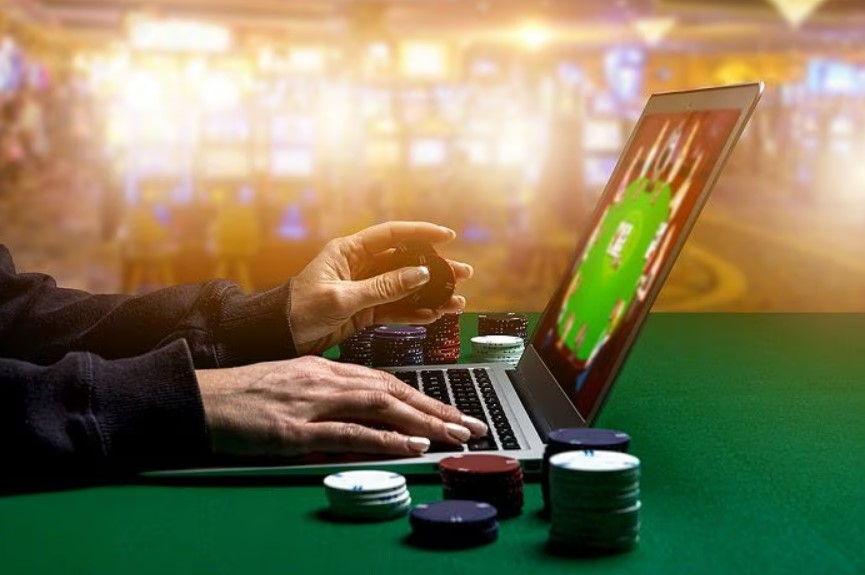
Exploring Online Gambling Platforms
With the rise of technology, online gambling platforms have revolutionized the way people engage with games of chance and skill. These platforms offer an array of games, ranging from traditional card games to innovative slots, catering to diverse preferences. The convenience of playing from home, coupled with the excitement of potential winnings, makes online gambling a popular choice for many. However, the balance between luck and skill remains a prominent consideration in this digital realm.
Additionally, reputable online casinos often provide resources and tools to help players enhance their skills. Many platforms feature tutorials, strategy guides, and practice modes, enabling individuals to familiarize themselves with different games before committing real money. This access to information supports the development of strategic thinking, allowing players to make informed decisions and potentially increase their success rates.
Moreover, the competitive landscape of online gambling means that players often find themselves up against skilled opponents, especially in games like poker. This environment challenges individuals to hone their abilities continuously, emphasizing that while luck may play a role, developing expertise can significantly enhance their overall experience. Ultimately, online gambling platforms offer an exciting venue for exploring the intricate interplay between luck and skill in a modern context.