
The historical evolution of gambling An exploration with crazy time casino
The Origins of Gambling
The practice of gambling dates back thousands of years, with evidence found in ancient civilizations such as the Chinese, Greeks, and Romans. Archaeologists have unearthed artifacts like dice and betting tokens that indicate games of chance were prevalent in these societies. Gambling served not just as entertainment but also as a means to make crucial decisions, often perceived as a way to communicate with the divine. Today, many players enjoy experiences like crazy time, showcasing how far gambling has progressed.
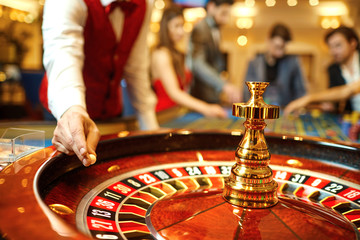
As civilizations evolved, so did the complexity of gambling activities. The introduction of formal rules and regulations began with ancient Rome, where public games provided entertainment and a social gathering point. This laid the groundwork for the structured forms of gambling that would emerge in later centuries.
The Middle Ages and Renaissance Gambling
During the Middle Ages, gambling practices were often intertwined with social and religious contexts. Games like backgammon became popular, while card games emerged, captivating audiences across Europe. Despite the Church’s disapproval, gambling flourished in taverns and royal courts, becoming a common pastime. The growing awareness of gambling addiction during this time prompted discussions about the effects of chance games on society.
The Renaissance marked a significant turning point. The development of modern playing cards and the invention of various gambling games reshaped the landscape. Gambling houses began to appear in cities, offering a wider variety of games, which contributed to a cultural shift towards more organized gambling activities.
The Birth of Modern Casinos
The 17th century saw the establishment of the first official casino in Venice, known as the Ridotto. This marked the transition from informal gambling to a more regulated and commercialized environment. As casinos spread across Europe, they became synonymous with luxury and high society.
By the 19th century, the concept of gambling expanded further with the rise of Las Vegas and the introduction of various slot machines and table games. Casinos became centers of entertainment, drawing people from all walks of life and giving rise to the phrase “the house always wins,” a nod to the house edge that ensured the casino’s profitability.
The Digital Revolution in Gambling
The advent of the internet in the late 20th century revolutionized gambling, allowing players to enjoy their favorite games from the comfort of their homes. Online casinos emerged, providing access to a wider variety of games than traditional brick-and-mortar establishments. This digital shift appealed to a global audience and transformed the gambling landscape.
With the rise of live dealer games, such as Crazy Time by Evolution Gaming, the experience became more immersive. Players can interact with live hosts and engage in real-time gameplay, replicating the atmosphere of a physical casino. This innovation has attracted both casual players and seasoned gamblers, enhancing the appeal of online gaming.

Crazy Time Casino: A Contemporary Experience
Crazy Time is not just a game; it represents the pinnacle of modern gambling entertainment. With its vibrant visuals and interactive features, it captures the excitement of live gaming. Players can enjoy various bonus games, including Coin Flip and Cash Hunt, offering multiple opportunities for big wins.
The game’s design showcases how far gambling has come, blending traditional elements with cutting-edge technology. As players engage with Crazy Time, they are part of a rich history that has evolved over centuries, highlighting the ongoing fascination with games of chance. With the potential for massive payouts and exhilarating gameplay, Crazy Time continues to set trends in the gambling world.